
Industrial TFT Display Integration: How to Avoid Costly Redesigns in Equipment Projects

A display module can look like one of the easiest components to select in an industrial equipment project — until the prototype reaches the integration stage.
The enclosure has already been designed.
The PCB layout is almost complete.
The user interface has been approved.
Then the engineering team discovers that the FPC exits in the wrong direction. The touch structure adds more thickness than expected. The cover glass does not match the front housing. Or the display looks good on the workbench but is difficult to read in the actual installation environment.
At that point, changing the display is no longer a simple purchasing decision.
It can affect the enclosure, PCB layout, connector position, touch structure, testing schedule and even the planned launch date.
This is why selecting an industrial TFT display should begin with the equipment requirements — not only with a screen size and resolution.
Hunan Future Electronics Technology Co., Ltd. supports industrial display projects with TFT LCD modules, touch panels, cover glass, bonding, FPC and interface customization. For different equipment designs, our current industrial display platforms include 4.3-inch, 5.0-inch, 7.0-inch and 10.1-inch TFT display solutions.
For more industrial display applications, customers can also explore our Industrial Display Solutions.
Where Industrial Display Projects Usually Become Complicated
The LCD panel itself is rarely the only challenge.
In real equipment development, many small details determine whether a display integrates smoothly.
The FPC has to reach the PCB without creating unnecessary bends or mechanical stress. The connector location must work with the board layout. The display and touch stack must fit within the available depth. The cover glass has to match the front enclosure. Brightness needs to suit the actual operating environment rather than only an indoor test bench.
For an engineering team, these issues mean additional design work.
For procurement, they can mean a delayed sourcing decision or repeated samples.
For quality teams, they may become reliability and consistency risks later in mass production.
This is why industrial display selection works better when the TFT panel, touch layer, cover glass, backlight, FPC and interface are reviewed as one system.

A 4.3-Inch Display and a 10.1-Inch Display Solve Very Different Problems
Choosing the correct display size should depend on the equipment interface and installation environment rather than simply selecting the largest available screen.
A 4.3-inch TFT display is well suited to compact HMIs, elevator panels, small controllers and equipment where panel space is limited.
A 5.0-inch TFT display offers more visual area while keeping the device compact, making it suitable for portable instruments, test equipment and compact control interfaces.
A 7.0-inch TFT display provides additional room for operating information, menus and status data, making it useful for industrial control systems and smart equipment.
A 10.1-inch TFT display is better suited to machine terminals and monitoring systems where operators need to view more parameters, charts or process information at the same time.
Future supports these display platforms as starting points for industrial projects. Depending on the application, brightness, touch, cover glass, FPC and interface details can then be reviewed according to the final equipment design.
More TFT product references are available through our TFT LCD Module section.
The Real Procurement Risk Starts After the Sample Works
A sample that turns on successfully is only the beginning.
For industrial equipment manufacturers, the more important question is what happens after the sample is approved.
Can the same display configuration continue into production?
Will the appearance remain consistent between batches?
Can the supplier maintain the agreed FPC, backlight, touch and cover glass configuration?
Can technical changes be controlled clearly?
Can the display continue to support the project after the first production order?
Industrial products often have longer product life cycles than many consumer electronics products. A display therefore becomes part of the customer’s long-term component strategy.
Procurement teams need to evaluate not only initial price, but also the cost of redesign, requalification, production interruption and supplier replacement.
A slightly cheaper display can become expensive if the project has to be redesigned around it later.
Touch and Cover Glass Should Be Considered Early
Industrial interfaces increasingly use touch operation.
But adding a touch panel is not simply a matter of placing another layer on top of the TFT.
The complete structure may include cover glass, CTP or RTP, the TFT panel, backlight assembly and bonding materials. Each layer affects thickness, optical performance, mechanical integration and the final user experience.
Depending on the application, customers may also consider:
AG anti-glare treatment to reduce reflections in strong ambient light.
AF anti-fingerprint treatment to make the surface easier to maintain.
Customized cover glass dimensions and printing to match the front enclosure.
Capacitive or resistive touch options according to the operating method.
Optical bonding or other bonding structures according to project requirements.
These details are especially important for equipment used in factories, laboratories, monitoring systems and environments where operators interact with the screen frequently.
For projects requiring customized structures, customers can also review our Customized LCD Solutions.
Industrial Displays Must Match the Actual Working Environment
A display that performs well in an office does not automatically perform the same way inside industrial equipment.
The actual installation may face temperature variation, electrostatic discharge, vibration, long operating hours or strong ambient lighting.
This changes the sourcing conversation.
Instead of asking only:
“What resolution is available?”
A stronger project review asks:
“What environment will this display work in?”
For example, an outdoor monitoring terminal may prioritize brightness and cover glass treatment. A test instrument may prioritize stable readability and precise touch operation. A machine control panel may need long operating hours and consistent backlight performance. Elevator or fire alarm equipment may place more emphasis on front-panel integration and long-term availability.
This application-first approach helps engineering and procurement teams avoid selecting a display that looks correct on paper but creates problems later.
From a Display Module to a Complete Equipment Interface
Industrial customers rarely purchase a screen only for visual appearance.
The display performs a functional role inside the equipment.
It presents machine status.
It displays measurement data.
It communicates alarms.
It allows operators to change parameters.
It may become the primary human-machine interface of the entire system.
For this reason, Future supports customers in reviewing more than the TFT panel itself. Depending on the project, this can include display selection, touch integration, cover glass, FPC structure, interface matching, backlight requirements and bonding options.
The goal is not to force an equipment design around a standard display.
The goal is to find a display platform that can be adapted to the equipment with fewer unnecessary changes.
Different Teams Look at the Same Display Differently
One reason industrial display projects become complicated is that several departments are involved in the decision.
The hardware engineer may focus on interface, connector and FPC.
The mechanical engineer may focus on outline dimensions, thickness and mounting space.
The product team may focus on readability and user experience.
The quality team may focus on reliability testing and batch consistency.
Procurement may focus on cost, lead time, supplier stability and long-term availability.
These requirements need to meet in one display solution.
A supplier that understands only the LCD specification but not the final equipment integration can make communication slower.
That is why early project information is valuable. The more clearly the application is understood, the easier it is to recommend a suitable standard platform or determine where customization is necessary.
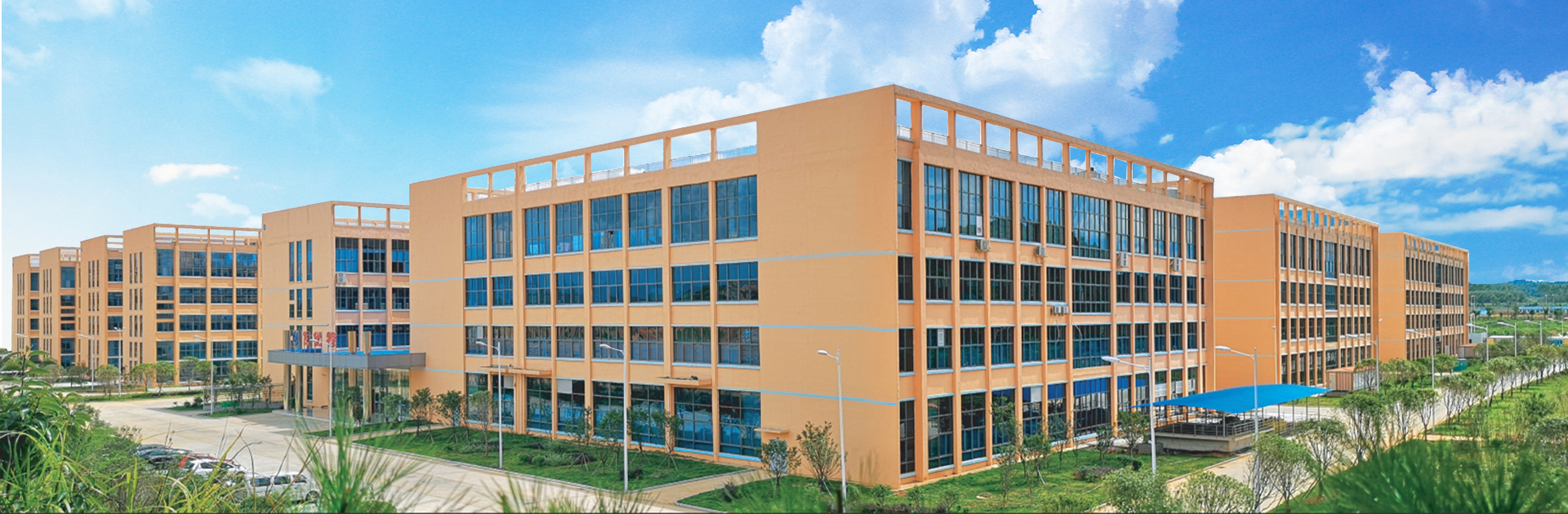
You can learn more about our manufacturing and product background on the About Future Electronics page.
Applications for Custom Industrial TFT Displays
The display platforms shown in our industrial range can support projects such as industrial controllers, test and measurement instruments, compact HMI panels, elevator systems, fire alarm equipment, machine terminals, portable instruments, automation equipment and outdoor monitoring devices.

The same TFT size may be used very differently in each application.
That is why we recommend starting with the equipment requirements first and then selecting the display.
Before Requesting a Quote, Send Us the Equipment Requirements
For an industrial display inquiry, a part number alone is not always enough.
To help our engineering and sales teams evaluate the project more efficiently, customers can provide information such as display size, resolution, interface, target brightness, touch requirement, cover glass dimensions, FPC direction, operating temperature, equipment application, sample schedule and estimated annual quantity.
If an existing drawing, current display specification or mechanical structure is available, that information can also help us understand the project more quickly.
This allows both sides to determine whether an existing TFT platform can be used directly or whether customization should be considered before the prototype moves further.
Conclusion: Solve Display Integration Before It Becomes a Redesign
The best time to solve a display integration problem is before it becomes an equipment redesign.
For industrial manufacturers, selecting the right TFT display is not simply a question of choosing between 4.3, 5.0, 7.0 or 10.1 inches.
It is about making sure the display works with the enclosure, PCB, touch structure, cover glass, operating environment and future production plan.
Future supports industrial TFT LCD modules, capacitive touch panels, cover glass, bonding and customized FPC/interface solutions for equipment manufacturers and OEM/ODM projects.
If you are developing an industrial controller, test instrument, machine terminal, elevator panel, fire alarm system or outdoor monitoring device, send us your current display specification, drawing or project requirements.
Our team can review the display stack with you and help identify a suitable standard or customized solution before your project reaches the redesign stage.
Explore more solutions through our Industrial Display Solutions, TFT LCD Modules, Customized LCD Solutions and About Future Electronics pages.
Post time: Aug-26-2026


