
Custom LCD Manufacturer vs. Trading Company: Who Really Controls Your Display Project?
A Low Quote Is Easy to Compare. Real Manufacturing Responsibility Is Harder to See.
Two LCD suppliers offer nearly identical displays.
One provides a lower price. The other offers factory manufacturing, engineering coordination and production support.
Which one should you choose?
The answer isn’t always obvious.
A professional trading company can be a valuable partner. A direct manufacturer is not automatically the better choice.
But when your project requires customization, troubleshooting or long-term production, one question becomes especially important:
Who actually controls the manufacturing process when something goes wrong?
- 01 | The Real Difference Isn’t Just Price
1.png)
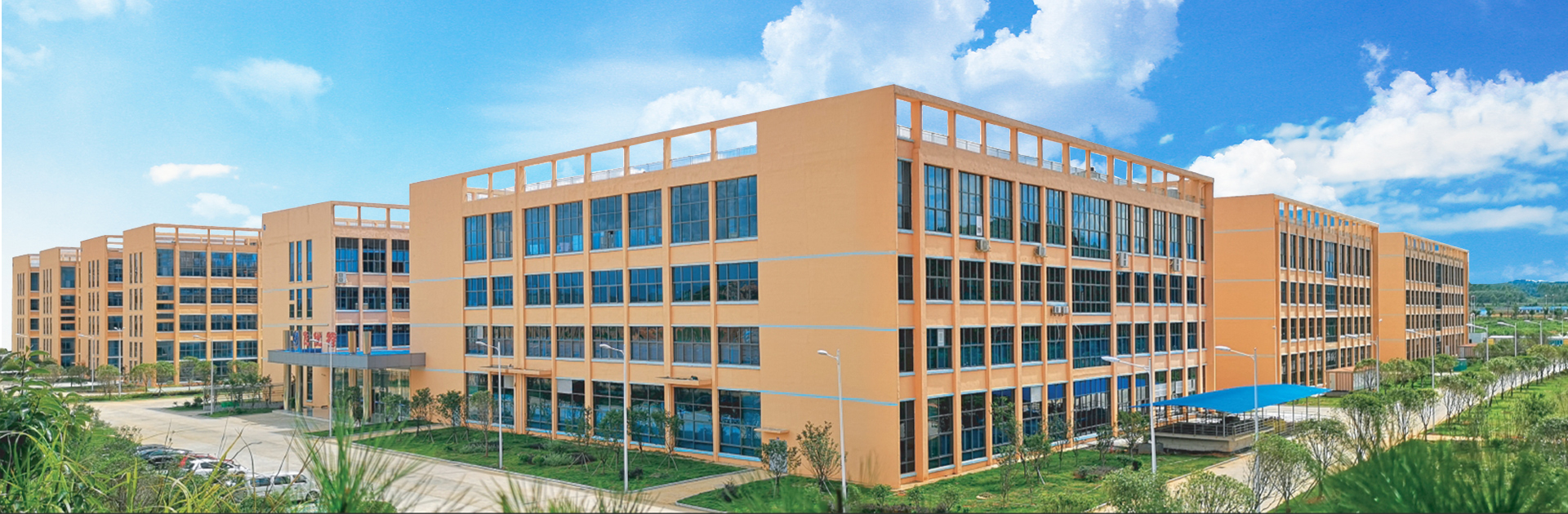
Future Display automated LCD and LCM manufacturing production lines in Hunan, China
A trading company typically coordinates products and services through manufacturing partners.
A direct LCD manufacturer operates its own production capabilities for certain manufacturing processes.
Both business models can serve customers successfully.
What matters is how effectively the supplier manages:
-
Technical specifications and changes
-
Engineering communication
-
Sample and production consistency
-
Quality investigations
-
Manufacturing schedules
-
After-sales responsibility
The important question isn’t only who sells the display. It’s who can take action when your project needs support.
02 | What Happens When Your LCD Doesn’t Fit?
Imagine receiving a TFT LCD sample.
The resolution is correct, but the FPC position interferes with your PCB.
The display works, but your equipment needs a different brightness configuration.
Or the cover glass doesn’t match the enclosure.
These are engineering problems, not simply purchasing problems.
A suitable supplier should be able to review the technical requirements, identify manufacturing constraints and explain which modifications are feasible.
At Future Display, our OEM/ODM support includes project-dependent evaluation of FPC, interfaces, backlights, touch panels and cover glass.
Where an existing module platform can be adapted, unnecessary redevelopment may sometimes be avoided.
However, feasibility, development cost and timing must be confirmed for each project.
03 | Can Your Supplier Explain a Quality Issue?
A product passing final inspection does not mean every future problem can be ruled out.
If an abnormal display appears during assembly or after delivery, the customer needs more than a replacement quotation.
They need a clear investigation process.
Useful questions include:
-
Can the affected production batch be identified?
-
Are relevant inspection and production records available?
-
Who reviews the technical failure?
-
How are corrective actions communicated?
-
Who is responsible for following up?
Future Display supports manufacturing quality management through incoming inspection, production-process control and applicable display testing.
We believe quality responsibility includes helping customers investigate problems, not simply confirming that a product passed inspection.
04 | Why Manufacturing Capability Matters
A custom display project may involve LCD panels, driver ICs, FPC, backlights, touch panels and module assembly.
Different components may require different production processes or external material suppliers.
Manufacturing capability matters because it helps connect design decisions with practical production requirements.
Future Display at a Glance
21 Years — Display industry experience
47,000 m² — Manufacturing facilities
16 Lines — Automated LCD/LCM production
800+ Employees — Manufacturing and support teams
LCD, COG & COB — Manufacturing capabilities
Our portfolio includes monochrome LCDs, VA and PMVA displays, TFT LCD modules and touch solutions.
These capabilities support customer discussions from display selection and sample evaluation to production planning.
Owning manufacturing equipment alone does not guarantee project success. Process control, engineering cooperation and supplier management remain essential.
05 | Ask These Questions Before Choosing a Supplier
A reliable supplier should make important information easier to verify.
Before approving an LCD partner, clarify:
Manufacturing: Which processes are completed in-house, and which are outsourced?
Engineering: Who reviews interface, FPC and mechanical requirements?
Quality: What inspection records and investigation support are available?
Customization: Can existing display platforms be adapted?
Supply: How are material changes and repeat orders managed?
Responsibility: Who coordinates technical problems after shipment?
The answers often reveal more about a supplier than the quotation alone.
The Right LCD Supplier Should Make Your Project Easier
At Future Display, we understand that product development involves more than purchasing a screen.
It involves engineering decisions, communication, testing, customization and production coordination.
Our goal is to offer practical LCD solutions supported by manufacturing experience and responsible project communication.
We may not always provide the lowest quotation.
But we want to help customers make better technical decisions and avoid unnecessary development complications.
Looking for a Custom LCD Manufacturer?
Send us your existing LCD model, display drawing, interface requirements or new product concept.
Our team can review suitable display options, customization requirements and manufacturing considerations.
Don’t choose a display partner by price alone. Choose one who can help move your project forward.
Future Display
Post time: Oct-19-2026


